
Cumberland County Lost Funds
Cumberland County is the fifth most populous county in North Carolina, with roughly 335,000 residents. Fayetteville and the Fort Bragg area make this a hub of activity. People move in and out constantly. That turnover creates a large pool of unclaimed money. Old bank accounts, uncashed checks, insurance payouts, and court surplus all sit in state records waiting for the right owners. The NCCash program tracks every dollar. Searching is free. You just need your name. Check today to see if Cumberland County has lost money that belongs to you or a family member.
Cumberland County Quick Facts
How Unclaimed Money Builds in Cumberland
Cumberland County generates more unclaimed property than most counties in North Carolina. The reason is simple: population. With 335,000 residents and a constant flow of military families through Fort Bragg, accounts go dormant at a high rate. People get transferred. They leave behind utility deposits, bank accounts, and insurance refunds. Those funds become unclaimed property after the dormancy period ends.
State law sets different dormancy periods by property type. Most bank accounts and checks become dormant after five years of no contact. Utility deposits go dormant in just one year. Securities take three years. After dormancy, the holder reports the funds to the North Carolina State Treasurer. The Treasurer keeps the money until the rightful owner claims it.
Cumberland County was formed in 1754 from Bladen County. It is named for the Duke of Cumberland. Fayetteville, the county seat, has been a center of trade and military activity for centuries. That long history means a deep pool of unclaimed funds stretching back decades.
Cumberland County Surplus Funds Process
The Clerk of Superior Court in Cumberland County holds surplus funds from foreclosure sales. Cumberland County falls in District 21. The surplus funds process here follows a detailed set of steps that every claimant should understand.
First, you file a petition with the Clerk. This petition states your claim to the surplus funds and explains your connection to the property. You must include proof of your identity, such as a photo ID. You also need proof of ownership or a lien interest at the time of the foreclosure. Bring the foreclosure sale details, including the case number and sale date. You will need your Social Security number or Tax ID for the filing.
Next, you pay a filing fee of roughly $120. The Clerk then sends notice to other parties who might have a claim. This gives everyone a chance to respond. After the notice period, the Clerk schedules a Special Proceedings hearing. At that hearing, the Clerk reviews the evidence and decides who gets the surplus.
The Cumberland County Clerk of Superior Court page is shown below on the NC Courts website.
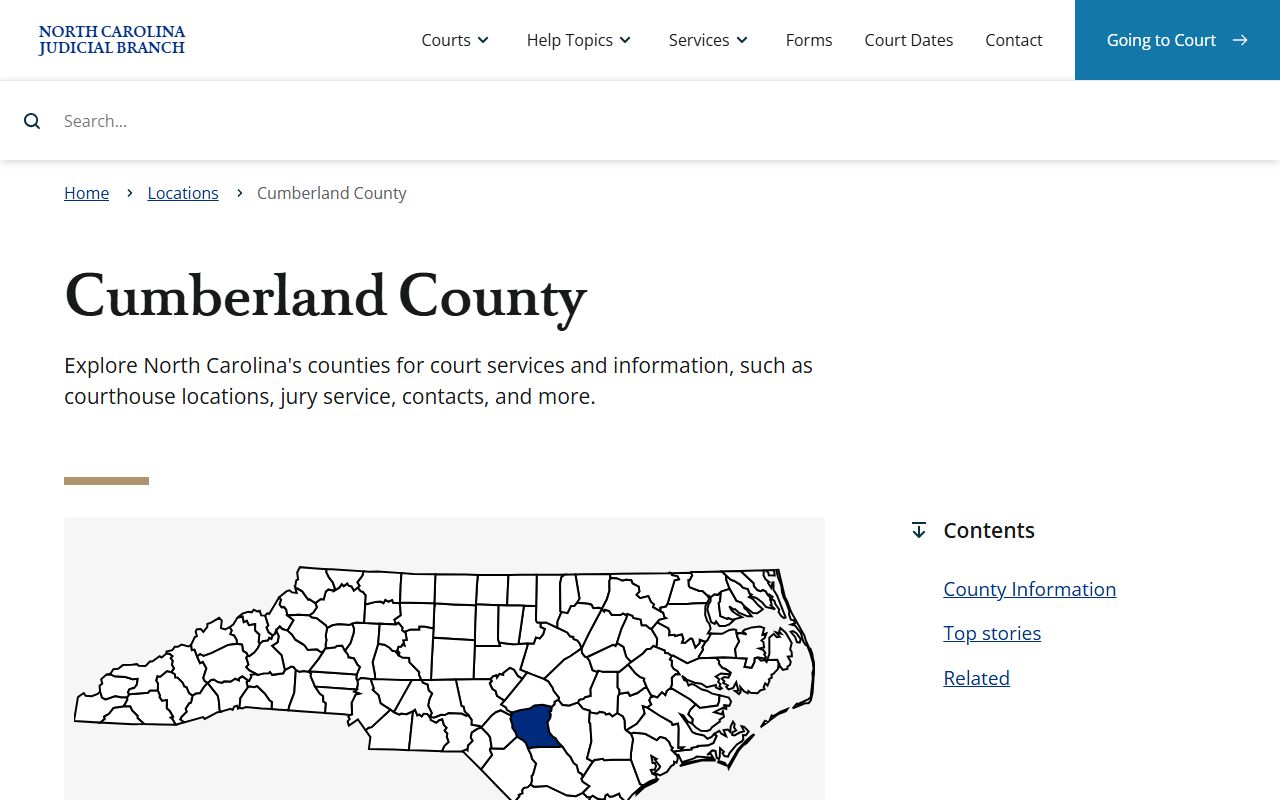
If surplus funds remain unclaimed for about one year, the Clerk sends them to the State Treasurer under Chapter 116B. After that, you file through the state unclaimed property program at NCCash.com.
Note: The filing fee for surplus fund petitions in Cumberland County is roughly $120, so be prepared for that cost when you file.
Searching Cumberland County Unclaimed Money
Start at the NCCash claim search page. Enter your name. Results come up in seconds. Each listing shows the property type, the reporting holder, and an amount range. If you find a match, click it and follow the steps to file a claim.
For a wider search, try MissingMoney.com. This national site covers all 50 states. It is especially useful for military families who have lived at bases around the country. Every base means a potential set of unclaimed funds tied to that address.
Documents you may need for a Cumberland County claim:
- Valid photo ID
- Proof of your current address
- Social Security number
- Old bank statements or account records
- Death certificate and heir proof for estate claims
The Treasurer's office processes claims at no cost. Small claims resolve fast. Larger or more complex claims take more time. Respond quickly to any requests for extra documents.
Estate Claims in Cumberland County
When someone dies with unclaimed money, heirs can step in. North Carolina law allows spouses, children, and other heirs to claim funds with no time limit. The money stays in state custody forever until the right person files.
Estate claims need a death certificate, proof of kinship, and any probate documents. If the estate went through probate in Cumberland County, the Clerk of Superior Court has those records. Without a will, state intestacy law sets the order. Legal Aid of North Carolina offers free help to those who qualify.
Cumberland County's large population means many estate claims each year. Families of former military members should search under the veteran's name. Old accounts from Fort Bragg area addresses may hold significant funds. The Cumberland County courts page can point you to probate records and other resources.
Automatic Payments in Cumberland County
The NCCash Match program sends checks to people the state can match to unclaimed funds. If the amount is $5,000 or less and the state has a good address for you, a check arrives in the mail. No forms. No waiting. Cumberland County residents have received thousands of dollars through this program.
Keep your address current. If you have moved recently, update it with the state. For claims over $5,000, file at NCCash.com. You can also call 866-NCCash1 (866-622-2741). Mail goes to PO Box 20431, Raleigh, NC 27619-0431. Be cautious of third parties who offer to find money for you. North Carolina law caps finder fees at $1,000 or 20% of the claim. You can do it all yourself for free.
Note: Military families should update their address with both the state and the Treasurer's office whenever they receive new orders.
Nearby Counties
Cumberland County borders several other counties in the Coastal Plain. Search each one where you have lived or worked. Unclaimed funds are tied to the address on file.