
Edgecombe County Unclaimed Property
Edgecombe County has unclaimed money waiting for residents to step forward. The North Carolina State Treasurer holds lost funds linked to Edgecombe County addresses. Old bank accounts, uncashed insurance checks, and court surplus all sit in the state database. Tarboro and other communities in the county may have money owed to them. The search is free and takes only minutes. You just need your name to get started. Check now to see if Edgecombe County unclaimed money belongs to you.
Edgecombe County Quick Facts
Edgecombe County Unclaimed Money Overview
Unclaimed money builds up in Edgecombe County the same way it does across North Carolina. Accounts go idle. Checks get lost in the mail. Refunds sit uncashed. After a set dormancy period, the holder must report these funds to the North Carolina State Treasurer. The Treasurer holds the money in trust until the rightful owner claims it.
Edgecombe County was formed in 1741 from Bertie County. It is one of the oldest counties in the state. The county was named for Richard Edgcumbe, a member of the British Parliament. The Tar River runs through the county, and Tarboro sits along its banks. Agriculture has long been the backbone of the local economy. Cotton and tobacco dominated for generations. That history left behind accounts and financial records spanning centuries.
The statewide unclaimed money total tops $1.02 billion. Edgecombe County residents make up a portion of that figure. Under N.C. Gen. Stat. § 116B-53, different types of property go dormant at different rates. Bank accounts become unclaimed after five years. Utility deposits go dormant after one year. Securities follow a three-year timeline.
Surplus Funds at Edgecombe County Clerk
Foreclosure sales in Edgecombe County sometimes produce surplus. The sale price exceeds the debt. That extra money goes to the Clerk of Superior Court. Former homeowners, heirs, and junior lienholders may claim it. The governing law is N.C. Gen. Stat. § 45-21.31.
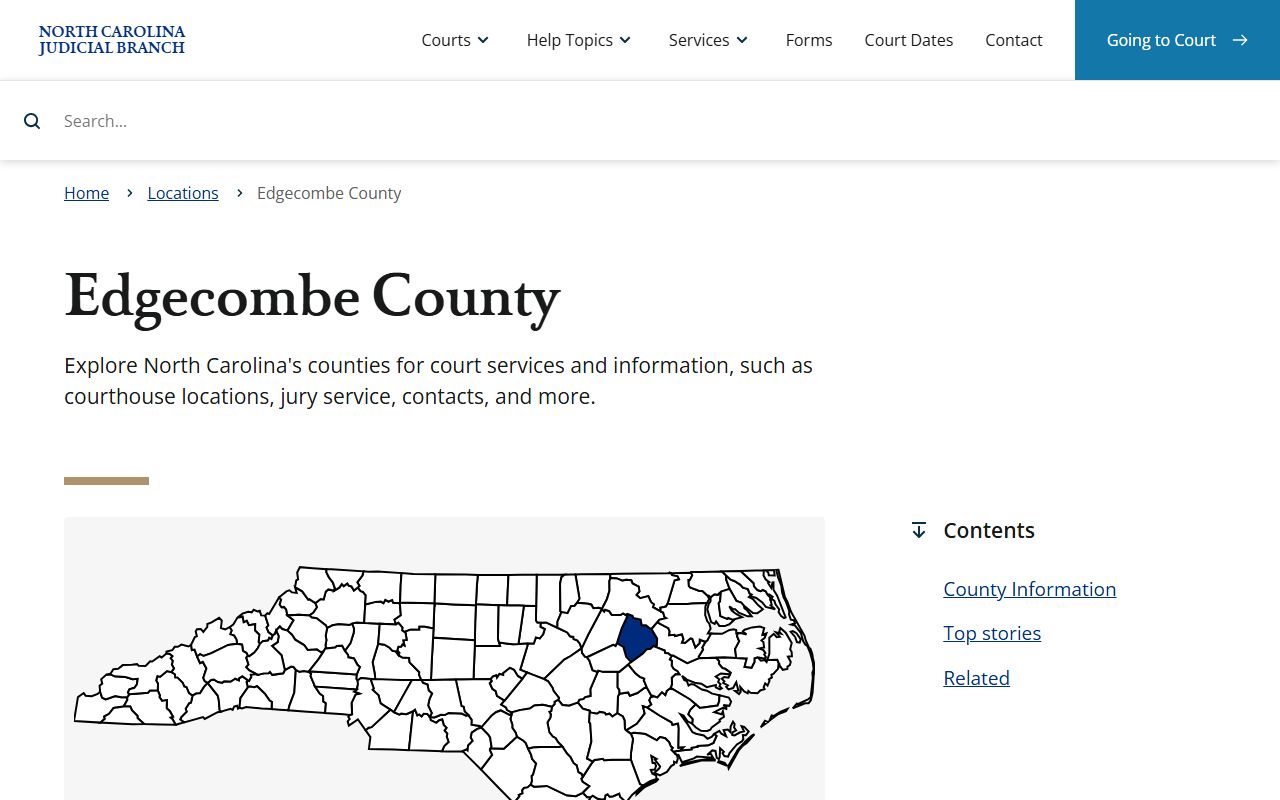
The Edgecombe County Clerk of Superior Court page on the NC Courts website is shown below.
Surplus funds stay with the Clerk for about one year. After that, unclaimed surplus transfers to the State Treasurer under N.C. Gen. Stat. § 45-21.32. You would then search at NCCash.com. The process to claim surplus requires filing a petition. A court hearing determines who gets the funds. If multiple parties have claims, the judge assigns priority.
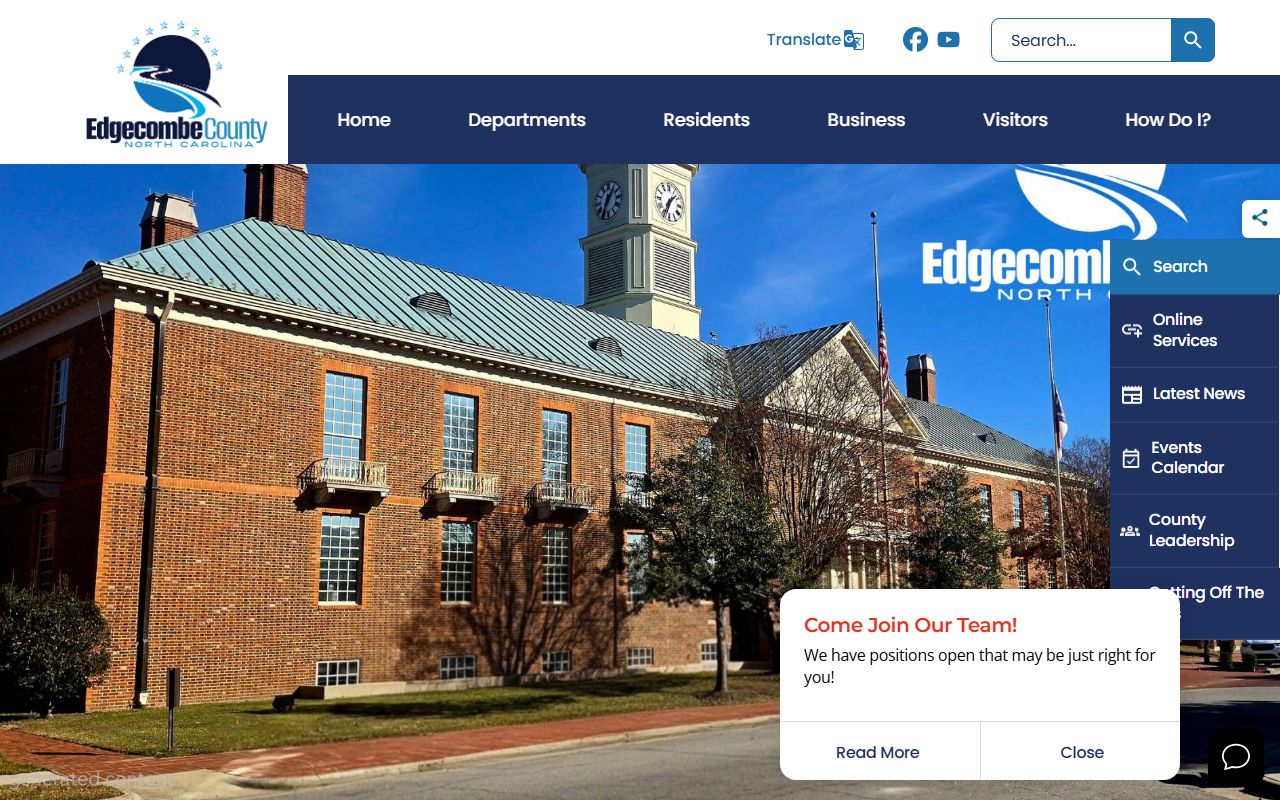
The Edgecombe County government website has additional records for residents.
Property values in eastern North Carolina have fluctuated over the years. Some foreclosure sales still generate meaningful surplus amounts. If you lost a home in Edgecombe County, check with the Clerk first.
Note: Surplus funds held longer than about one year transfer to the State Treasurer and must be claimed through NCCash.com.
How to Search Edgecombe County Unclaimed Money
Start at the NCCash claim search page. Enter your first and last name. The system shows any matches tied to North Carolina addresses. For a broader search, try MissingMoney.com. That tool checks all 50 states at once.
Claims require basic proof. You need a photo ID, proof of your Social Security number, and a document that shows your current address. If you have old records that link you to the unclaimed money, include those as well. The NCCash Match program can speed up claims of $5,000 or less. If your information lines up with state records, you may get a check without filing extra forms.
The whole process is free. The state does not charge to search or to claim. Beware of third parties who may offer to file for you. North Carolina law caps finder fees at $1,000 or 20 percent of the claim under N.C. Gen. Stat. § 116B-78. You can always do it yourself at no cost.
Edgecombe Unclaimed Money Dormancy Periods
Dormancy periods tell you when funds enter the state system. The shortest window is one year for utility deposits. If you left a deposit with an Edgecombe County utility provider and moved, that money may already be in the database. Securities have a three-year dormancy period. Bank accounts and most other financial holdings follow a five-year rule.
These timelines come from N.C. Gen. Stat. § 116B-53. Once the dormancy period ends, the company holding your money must report it. They turn the funds over to the Treasurer. The money then sits in the state database waiting for you.
Edgecombe County's agricultural economy means farms, supply businesses, and local vendors all hold deposits and issue payments. When those go unclaimed, they follow the same dormancy rules. New funds enter the system each year.
Heir Claims in Edgecombe County
Family members can claim unclaimed money belonging to a deceased relative. This matters in Edgecombe County, where many families have deep local roots. You need a death certificate for the original owner. Documents that prove your family connection are also required. Birth certificates and marriage records work well.
If the estate went through probate, the Clerk of Superior Court will have issued letters testamentary or letters of administration. Those documents serve as proof of your authority to claim the funds. Without a will, intestacy laws determine who inherits. Legal Aid of North Carolina can help if you qualify for free services.
There is no deadline. North Carolina holds unclaimed money forever. Your ancestors may have funds in the system from decades ago. Search for parents, grandparents, and other family members who lived in Edgecombe County.
Note: Call the Treasurer at 866-622-2741 for help with any Edgecombe County unclaimed money claim.
Nearby Counties
These counties surround Edgecombe County. Unclaimed money is tied to the address on file, not where you live now. Search each county where you or your family members have lived.