
Alamance County Lost Money Search
Alamance County holds thousands of dollars in unclaimed money waiting for the right owners. Residents of Graham, Burlington, and surrounding towns may have forgotten bank accounts, old insurance checks, or surplus funds from court proceedings. The state of North Carolina tracks these lost funds through the NCCash program. Many Alamance County residents do not know they have money sitting in state accounts. A quick search takes just a few minutes. You can check your name and the names of family members at no cost. Start your search now to see if Alamance County has unclaimed money in your name.
Alamance County Quick Facts
How Unclaimed Money Works in Alamance County
Unclaimed money in Alamance County comes from many sources. Banks close old accounts. Insurance firms issue checks that go uncashed. Utility companies hold refund credits. Employers keep final paychecks that were never picked up. All of these turn into unclaimed property after a set period of time. North Carolina law calls this the dormancy period. For most property types, the dormancy period is five years. After that time passes, the holder must report and send the funds to the North Carolina State Treasurer.
The Treasurer then holds the money until the rightful owner or heir files a claim. There is no time limit on claims in North Carolina. Your money does not expire. The state keeps it safe until you come forward. Alamance County residents can search the official database at NCCash.com to see if any funds are listed under their name. The search is free. You can also check MissingMoney.com, a national database that pulls records from all 50 states. Both tools are easy to use and only need your name to get started.
Common types of unclaimed money in Alamance County include old checking and savings accounts, uncashed payroll checks, insurance proceeds, stock dividends, gift card balances, court deposits, and refunds from overpaid bills. Alamance County has a large base of both residential and commercial accounts given its population of over 165,000 people, so the total pool of unclaimed funds is significant.
Note: The state of North Carolina does not charge any fee to search for or claim your unclaimed money.
Alamance County Clerk and Surplus Funds
The Clerk of Superior Court in Alamance County plays a key role in unclaimed money tied to court cases. When a home goes through foreclosure and sells for more than the debt owed, the extra money is called surplus funds. The Clerk holds these surplus funds after the 10-day upset bid period ends and the trustee files the final report. Former owners, heirs, or junior lienholders may have a right to claim this money.
The Alamance County courthouse complex includes the Historical Courthouse and the Judge J.B. Allen Jr. Criminal Courthouse. The Clerk's office manages both civil and criminal records for the county. For anyone looking into surplus funds from a foreclosure sale, this is the first place to check. You can reach the Clerk through the NC Courts website for Alamance County. The office also holds unclaimed bail funds and estate funds that no one has picked up.
The Alamance County Clerk's office homepage is shown below on the NC Courts website.
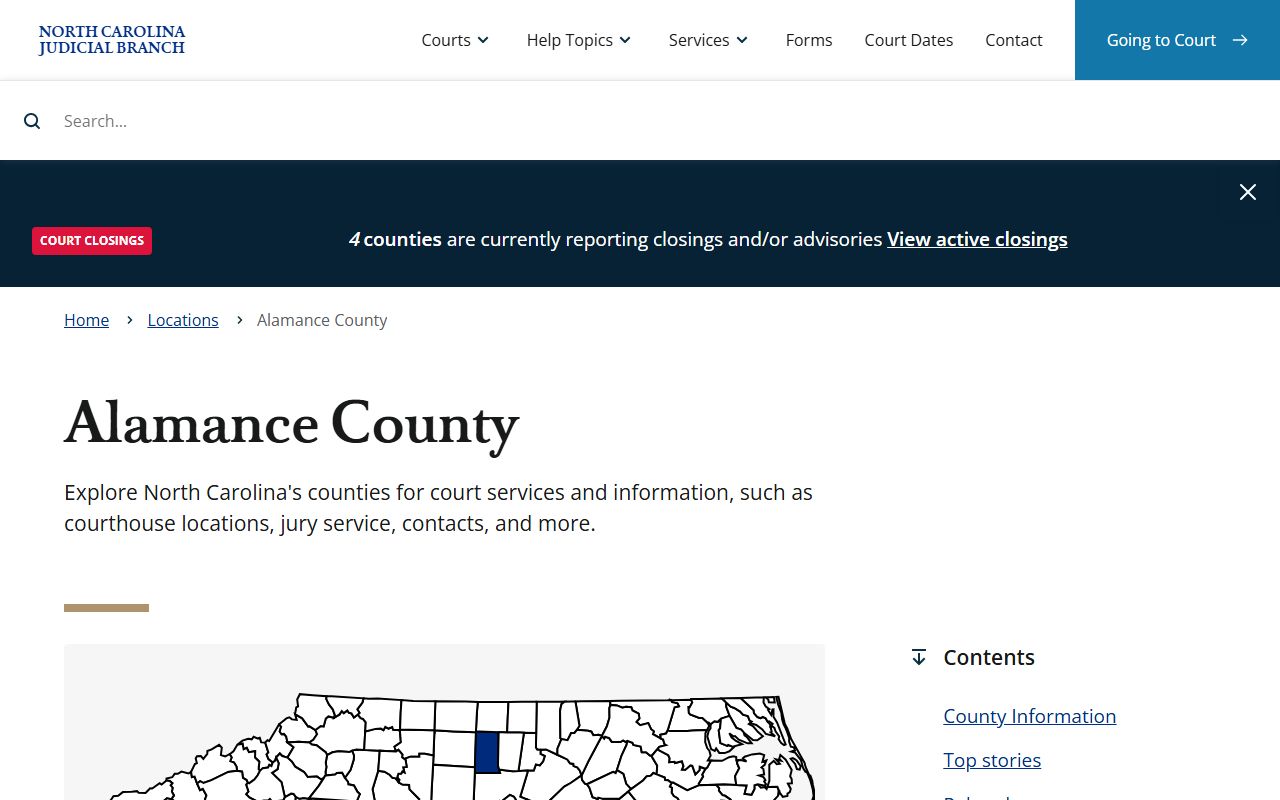
If surplus funds sit unclaimed for about one year, the Clerk reports them to the North Carolina State Treasurer under Chapter 116B of the General Statutes. At that point, the money moves to the state unclaimed property program. You can still claim it, but you would file through the Treasurer instead of the local court.
Searching for Unclaimed Money in Alamance
Finding unclaimed money in Alamance County is simple. The process starts with an online search. Go to the NCCash claim search page and type your name. The system will show any matches. If you find a match, you can file a claim right from the same site. Most claims need basic proof of identity.
To claim unclaimed money in Alamance County, you will generally need these items:
- A valid photo ID such as a driver's license
- Proof of your current address
- Social Security number for verification
- Documentation linking you to the property, such as an old bank statement
- Death certificate and proof of heirship if claiming for a deceased relative
The Treasurer's office reviews each claim. Simple claims for small amounts often get approved fast. Larger claims or those involving estates can take longer. The state may ask for extra documents to confirm your right to the funds. Be patient and respond quickly to any requests. Alamance County residents have claimed thousands of dollars through this process over the years.
Note: You should search under all past names, including maiden names and prior married names, to catch every possible match in Alamance County.
Alamance County Property Records
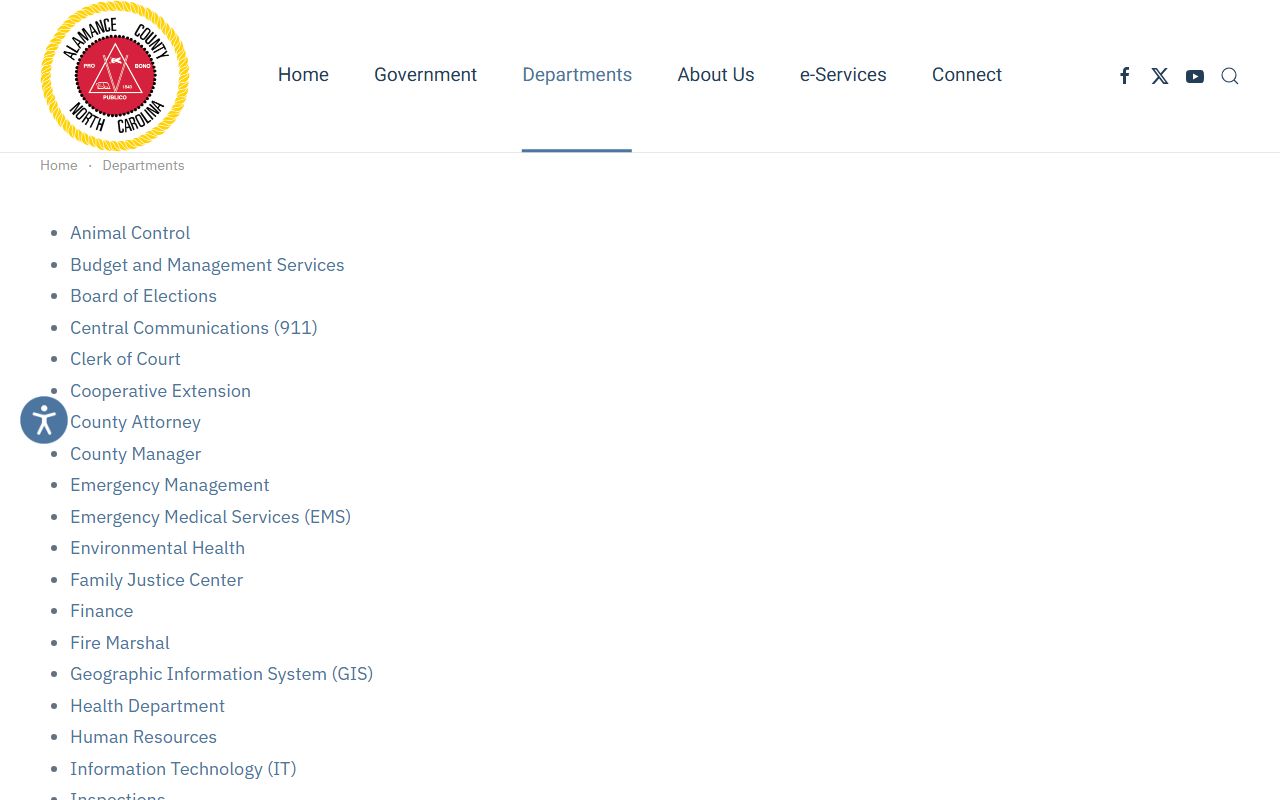
The Alamance County Register of Deeds is a valuable resource for anyone claiming surplus funds tied to real estate. This office keeps deeds, mortgages, deeds of trust, and other property records. If you need to prove you owned a property at the time of a foreclosure, certified copies from the Register of Deeds serve as evidence. These documents support your petition to the Clerk of Superior Court for surplus funds.
The Register of Deeds page for Alamance County is shown below.
Alamance County was formed in 1849 from Orange County. The name comes from the Great Alamance Creek, a Native American word meaning "blue clay." The county seat is Graham, though Burlington is the largest city. The county has grown steadily and now has a diverse mix of residential, commercial, and agricultural property. This means more accounts, more transactions, and more chances for money to go unclaimed.
Alamance Tax Office and Unclaimed Funds
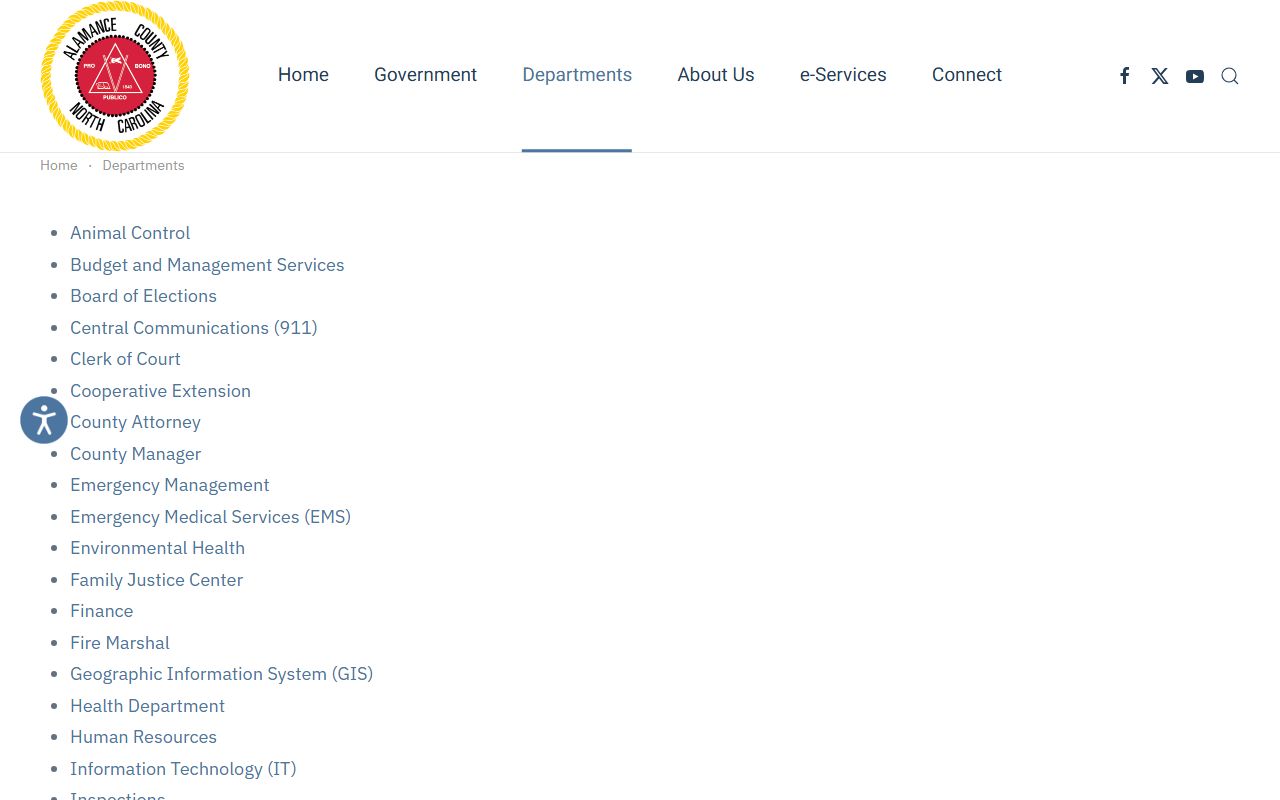
The Alamance County Tax Office handles property assessments and tax collection for the county. When a property goes through tax foreclosure, the sale proceeds first pay off the taxes and costs. Any leftover money goes to the Clerk of Superior Court as surplus funds. If you lost a property to tax foreclosure in Alamance County, you may be owed money from that sale.
The Alamance County Tax Office website is shown below.
Property owners who think they may have surplus funds from a tax sale should gather their property details and case information. Contact the Clerk's office with this information to check the status of any surplus. Acting quickly matters because unclaimed surplus funds eventually transfer to the state.
Heir and Estate Claims in Alamance County
Unclaimed money does not vanish when the original owner dies. Heirs and estate representatives can claim these funds in Alamance County. The process requires more paperwork than a standard claim, but the money is still available. North Carolina law allows heirs to recover unclaimed property regardless of how much time has passed.
For estate claims in Alamance County, you will typically need a death certificate for the original owner, proof of your relationship such as a birth certificate or marriage certificate, and any estate documents like letters testamentary or letters of administration. If the estate went through probate in Alamance County, the Clerk of Superior Court will have those records on file. If there was no will, North Carolina intestacy law determines who has the right to claim. Legal Aid of North Carolina can help Alamance County residents who need guidance on estate claims and cannot afford an attorney.
Note: Heirs should search under the deceased person's name, not their own, when looking for unclaimed money in Alamance County.
Alamance County Online Court Services
The Alamance County Clerk's office offers several online tools that help with unclaimed money research. You can search court dates by name, citation number, or case number. The forms search tool lets you find legal documents by keyword. Online payments are accepted for court fees and fines. These services save you a trip to the courthouse in Graham.
The electronic filing system called File and Serve lets attorneys and parties submit documents without visiting in person. The Guide and File tool helps people who do not have a lawyer fill out common court forms. For surplus fund claims, these tools can be useful in preparing and filing your petition. Visit the Alamance County court page to access all of these services.
Nearby Counties
These counties border Alamance County. If you have lived in more than one county, search for unclaimed money in each one. Funds are tied to the address on file, not where you live now.