
Find Unclaimed Money in Caswell County
Caswell County holds unclaimed money in state accounts that may belong to you. This north-central North Carolina county has a long history stretching back to 1777. Residents of Yanceyville and surrounding areas may have old bank accounts, forgotten insurance payments, or surplus court funds listed in their names. The state does not charge anything to search or file a claim. It takes just a few minutes to check. Search your name now and see if Caswell County has unclaimed money waiting for you to pick up.
Caswell County Quick Facts
Caswell County Unclaimed Money and History
Caswell County was formed in 1777 from Orange County. It was named for Richard Caswell, the first governor of North Carolina after the Declaration of Independence. The county seat is Yanceyville, a small town with deep roots in the state's history. Caswell County has a rich tobacco heritage that shaped its economy for generations.
That agricultural past created financial records that still produce unclaimed money today. Old accounts from tobacco warehouses, farm cooperatives, and rural banks all contribute to the unclaimed property pool. When these accounts go dormant, the holders report them to the North Carolina State Treasurer under N.C. Gen. Stat. § 116B-53. The Treasurer keeps the funds safe as custodian under N.C. Gen. Stat. § 116B-52.
The state holds over $1.02 billion in total unclaimed property. Even a small county like Caswell contributes to that figure. The state returned $115 million last fiscal year to owners who came forward with valid claims.
Caswell County Clerk and Court Surplus
The Clerk of Superior Court in Caswell County handles surplus funds from foreclosure sales. When a property sells for more than the debt, the extra goes to the Clerk. Former owners, heirs, and junior lienholders can petition for this money. The process follows N.C. Gen. Stat. § 45-21.31 for distribution of surplus.
The Caswell County Clerk of Superior Court page on the NC Courts website is shown below.
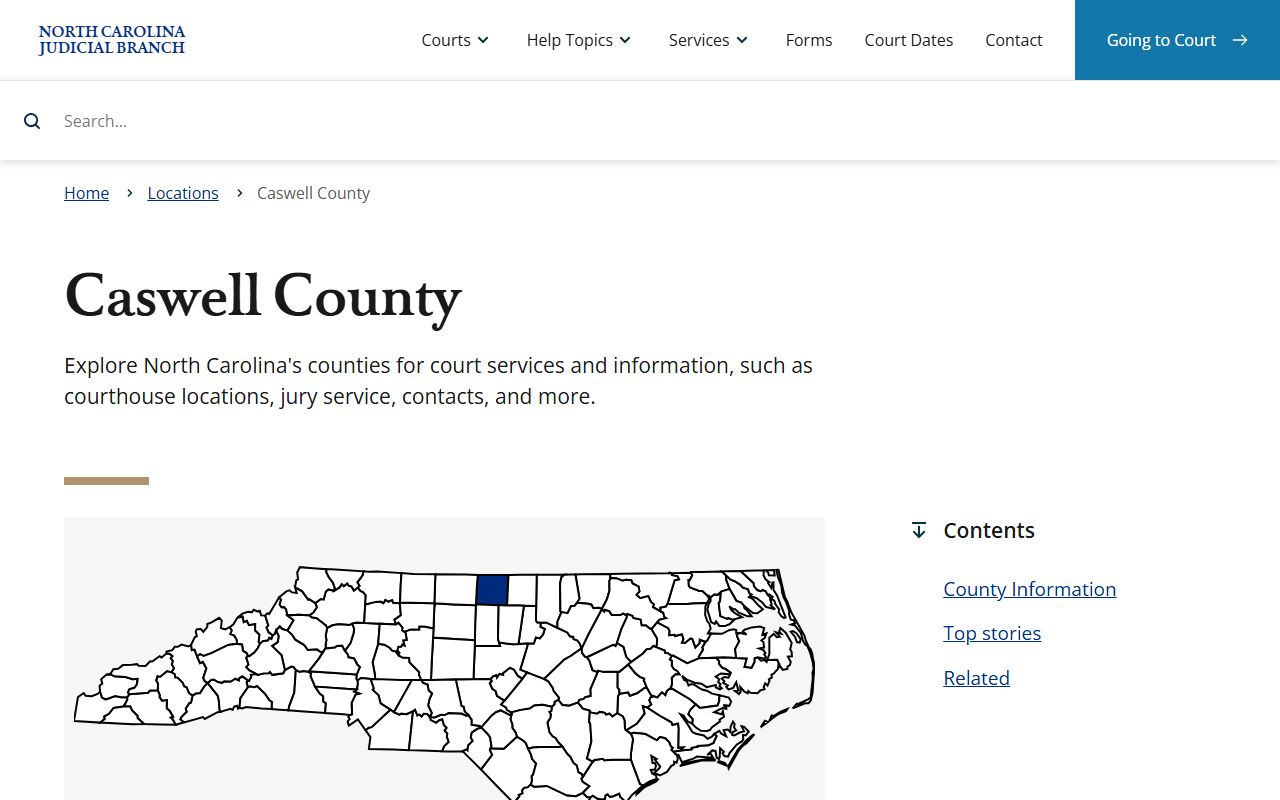
Caswell County also handles delinquent tax collection through outside counsel. When tax-delinquent properties go to sale, surplus can result. N.C. Gen. Stat. § 45-21.32 governs the proceedings to determine who gets surplus funds. If no one claims the money within about one year, the Clerk sends it to the State Treasurer. At that point, you would search through NCCash.com.
Note: The Caswell County Board of Commissioners meets on the first and third Mondays of each month if you need to attend a public session about county financial matters.
Caswell County Government Records
The Caswell County government website provides access to local departments and public records. The County Manager oversees day-to-day operations of all county officials and departments.
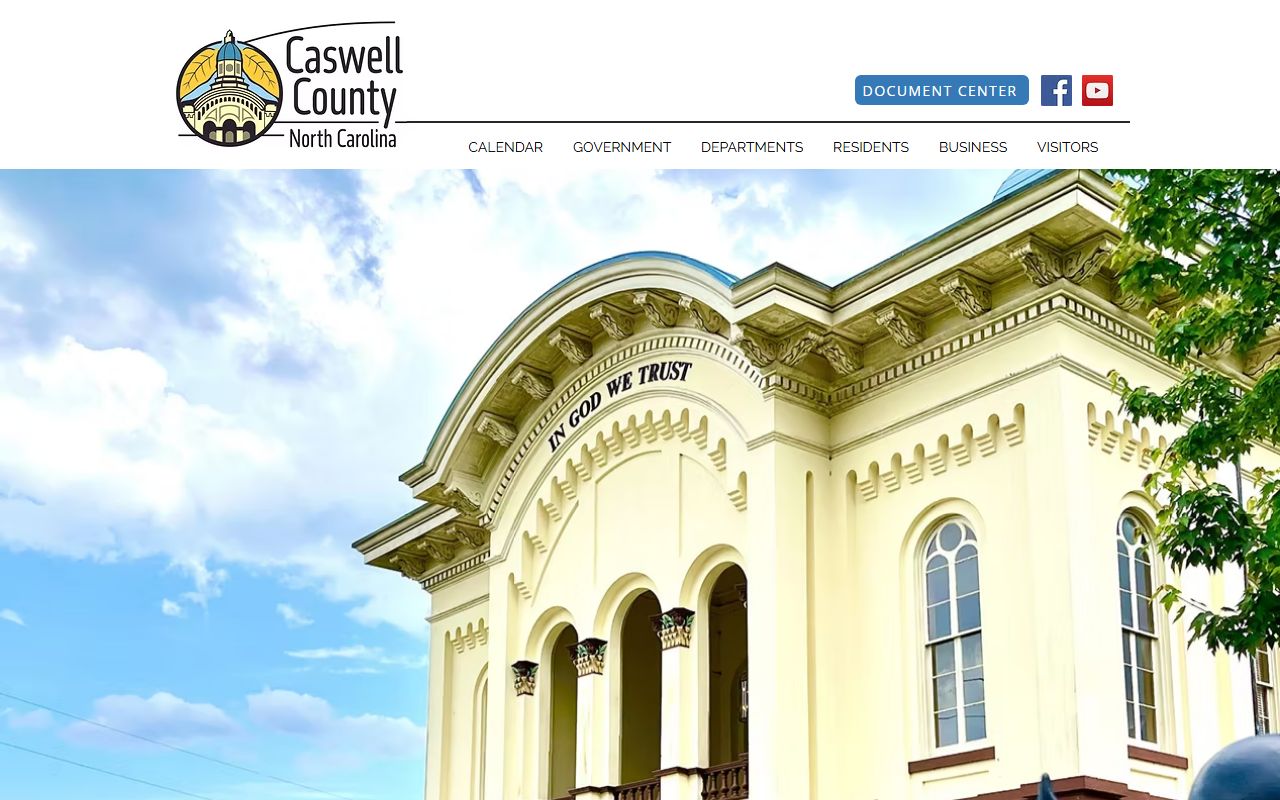
Tax records, property assessments, and other financial documents are available through county offices. If you need to research a property tied to a potential surplus claim, the county can help you find the relevant records. Caswell County's small size means you can often get personal attention from staff members who know the community.
Searching for Unclaimed Money in Caswell
Start your search at the NCCash claim search page. Enter your first and last name. The system shows any matches. You can also search MissingMoney.com for a national check across all states.
To complete your claim, gather these items:
- Government-issued photo ID
- Social Security number proof
- Current address documentation
- Records tying you to the unclaimed property
Claims of $5,000 or less may qualify for the NCCash Match program. The state sends a check automatically when your details match. Larger claims go through a review under N.C. Gen. Stat. § 116B-67. The process is free regardless of the amount. Caswell County residents have successfully recovered funds from old checking accounts, insurance proceeds, and forgotten utility deposits.
Heir and Estate Claims in Caswell County
Heirs can claim unclaimed money that belonged to a deceased family member. This is especially relevant in Caswell County, where many families have lived for generations. Land and financial records stretch back centuries.
You will need a death certificate for the original owner. Proof of your relationship helps the Treasurer verify your claim. Birth certificates, marriage licenses, and probate court records are all useful. If the estate went through probate locally, the Caswell County Clerk of Superior Court has the files. Without a will, North Carolina intestacy law decides who inherits. Legal Aid of North Carolina provides free guidance to qualifying residents.
Always search under the deceased person's name. The state lists unclaimed property under the original owner, not the heir.
Note: Contact the Treasurer at 866-NCCash1 (866-622-2741) or mail claims to PO Box 20431, Raleigh, NC 27619-0431.
Dormancy Rules and Fee Protections
Different property types have different dormancy periods. Utility deposits go dormant after one year. Securities become dormant after three years. Most other types, like bank accounts and uncashed checks, reach dormancy at five years. These timelines come from N.C. Gen. Stat. § 116B-53.
Once dormant, the funds move to the Treasurer's custody. There is no time limit to claim them. Your money does not expire. Be aware that third-party finders may offer to locate your funds for a fee. While legal, their help is unnecessary. You can do everything for free. Under N.C. Gen. Stat. § 116B-78, finder fees are capped at $1,000 or 20 percent of the claim value, whichever is less.
Nearby Counties
Caswell County borders several counties in north-central North Carolina. If you have lived in neighboring areas, search those counties as well. Unclaimed money is tied to the address on record.