
McDowell County Unclaimed Money
McDowell County has unclaimed money sitting with the state of North Carolina. Lost funds from old bank accounts, insurance benefits, uncashed checks, and court surplus are tied to McDowell County addresses. Around 45,000 people live here, and many have not checked for unclaimed money. The search costs nothing at all. You only need your name. Results appear in seconds. Take a moment right now to search and find out if McDowell County unclaimed money belongs to you.
McDowell County Quick Facts
McDowell County Unclaimed Money Overview
McDowell County was formed in 1842 from Burke and Rutherford counties. It was named for Joseph McDowell, a local leader and soldier. The county seat is Marion. McDowell County sits in the western mountains of North Carolina near Pisgah National Forest and Linville Falls. The area draws hikers, campers, and nature lovers from across the state and beyond.
The local economy blends manufacturing, tourism, and small business. Each sector generates financial transactions that can turn into unclaimed money. Payroll checks go uncashed. Insurance refunds get mailed to old addresses. Bank accounts lose contact with their owners. When this happens, the holders report the dormant funds to the North Carolina State Treasurer.
North Carolina holds more than $1.02 billion in unclaimed money. Under N.C. Gen. Stat. § 116B-53, property becomes dormant when the owner has no contact with the holder for a set number of years. The holder must then report and transfer the property to the state. McDowell County residents should check the state database at least once a year for new matches.
Note: McDowell County's location near popular mountain destinations means seasonal visitors and part-time residents may also have unclaimed funds here.
McDowell County Foreclosure Surplus
The McDowell County Clerk of Superior Court holds surplus funds from foreclosure sales. Under N.C. Gen. Stat. § 45-21.31, when a foreclosed property sells for more than the outstanding debt, the surplus goes to the Clerk. The former owner, heirs, or other parties with legal standing can petition to recover it.
The McDowell County Clerk of Superior Court page on the NC Courts website is shown below.
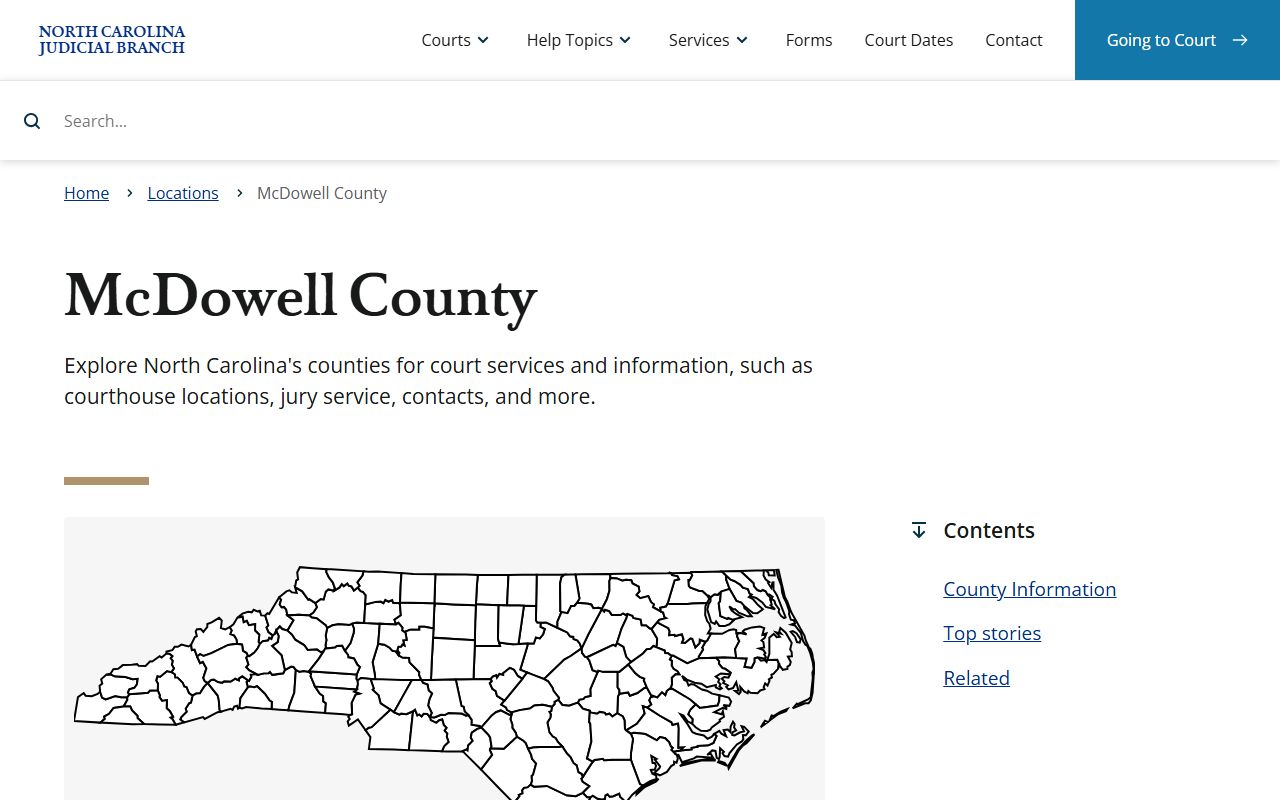
To claim surplus in McDowell County, file a motion in the existing foreclosure case. Include proof of ownership, foreclosure documents, and any lien releases. The court sets a hearing. If multiple parties have claims, the judge divides the surplus based on priority. N.C. Gen. Stat. § 45-21.32 governs this process.
Mountain property values in McDowell County have risen in recent years. That means foreclosure auctions can produce larger surplus amounts. If you or a family member lost property in McDowell County, check with the Clerk first. After about one year, any unclaimed surplus transfers to the State Treasurer and shows up at NCCash.com.
How to Search for Lost Funds
Start at the NCCash claim search page. Enter your first and last name. The system shows every unclaimed record tied to North Carolina. You can also use MissingMoney.com to check other states.
When you find a match, you will need to submit a few items:
- Government photo ID
- Social Security number proof
- Current address documentation
- Evidence tying you to the unclaimed property
- Heir documents if the owner has died
The NCCash Match program handles small claims quickly. If your claim is $5,000 or less and the system can verify your identity, you may not need to send paperwork. This is great for McDowell County residents with smaller unclaimed amounts. The search and claim process never costs a thing.
Common Types of Unclaimed Money
Bank accounts lead the list. Savings and checking accounts that sit idle for five years become dormant and transfer to the state. Insurance is close behind. Life insurance benefits, property claim payouts, and health refunds all go unclaimed when the owner cannot be reached.
Utility deposits are another source. If you left McDowell County without collecting a deposit from a power or water company, that money may now sit with the Treasurer. These go dormant after just one year. Court-held funds round out the picture. Bail bonds, estate proceeds, and civil judgment money all pass through the Clerk. Anything left unclaimed eventually moves to the state.
McDowell County's outdoor tourism industry also creates unclaimed money. Deposits on cabin rentals, refunds from outfitters, and overpayments at recreation businesses can all go uncollected. Search the state database to find every type of unclaimed money linked to a McDowell County address.
McDowell County Heir Claims
If a deceased family member lived in McDowell County, you may be able to claim their unclaimed money. Heir claims start with a death certificate. You then provide proof of your relationship to the deceased. Birth certificates and marriage records are the most common forms of proof.
If the estate went through probate in McDowell County, the Clerk can issue letters testamentary or letters of administration. These prove your legal authority over the estate. Without a will, North Carolina intestacy laws control the order of heirs. Legal Aid of North Carolina offers free legal help to those who qualify. They handle estate claims and surplus fund petitions across the state.
Note: Contact the State Treasurer at 866-622-2741 or mail claims to PO Box 20431, Raleigh, NC 27619-0431.
Nearby Counties
These counties neighbor McDowell County in the western mountains. Search them if you have ties to this region. Unclaimed money records follow old addresses, not your current home.